Natural Gas Metering Skid & Pressure Reduction Station
Client: Karad System Company
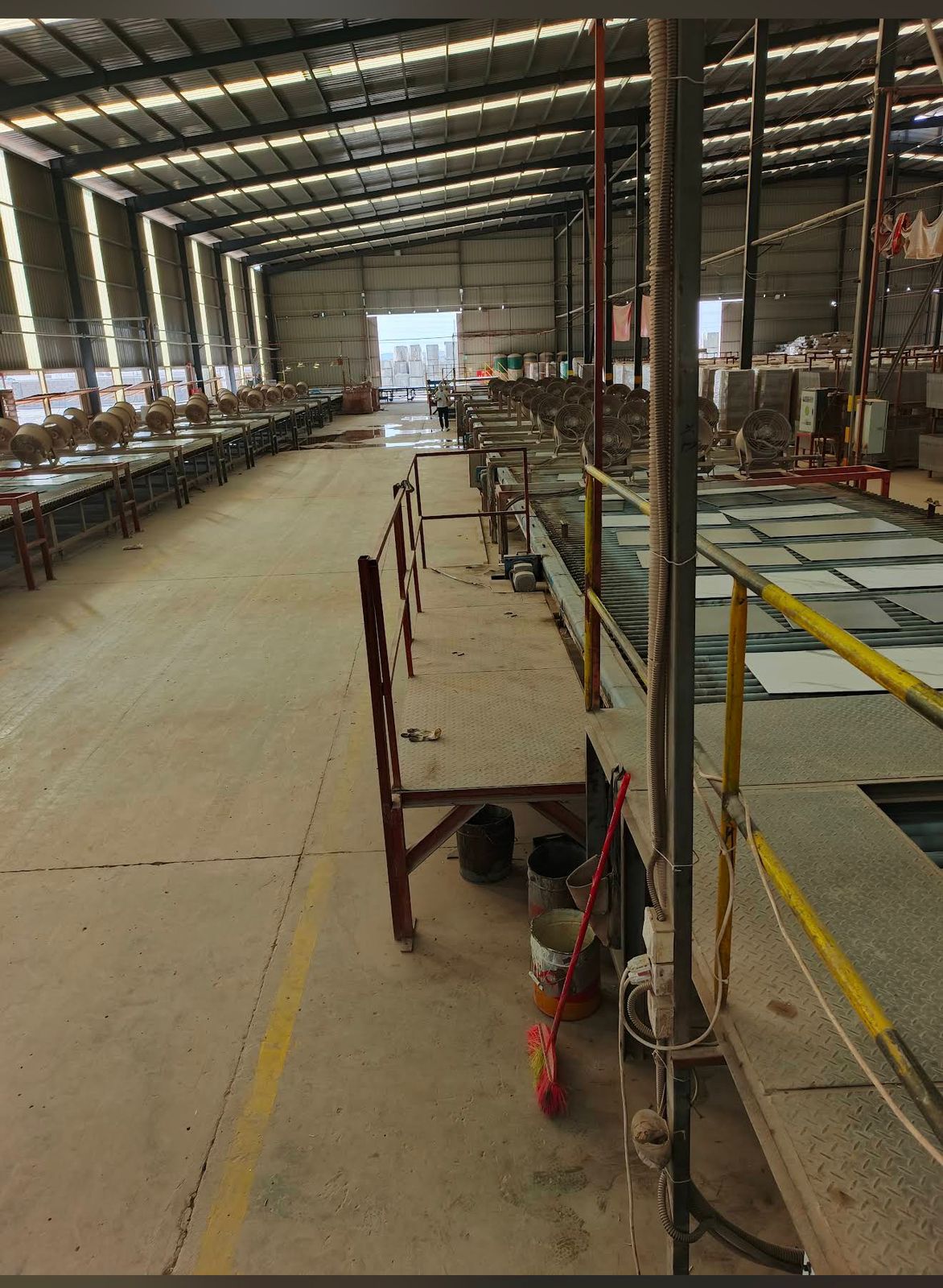
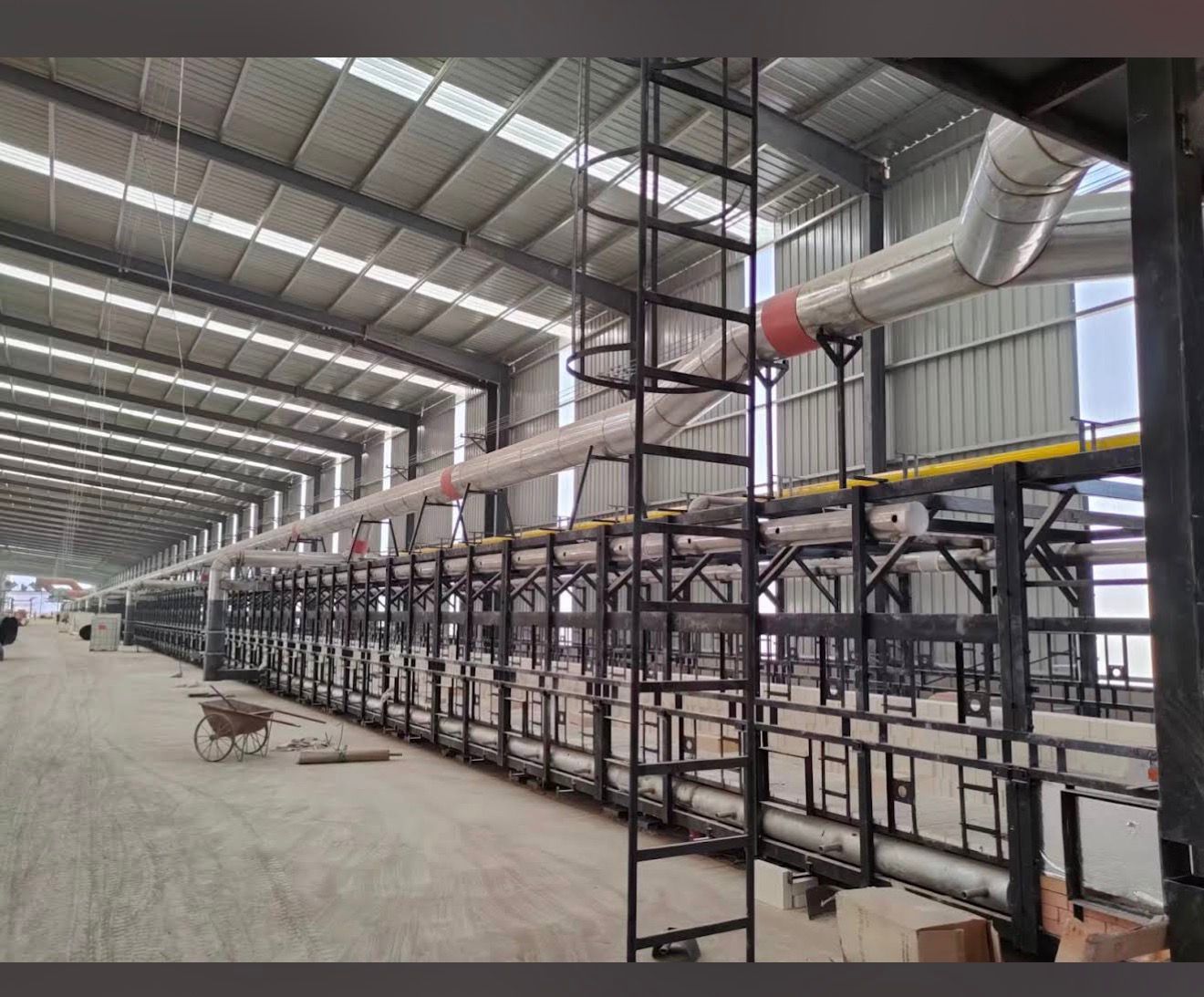
End User: Jin Cheng Ceramic Factory
Methods: Radiographic Testing (RT) & Penetrant Testing (PT)
For the Jin Cheng Ceramic Factory infrastructure project, Synergy was appointed by Karad System Company to provide high-level quality assurance for the natural gas delivery system. This project involved the critical assembly of a high-pressure metering skid and a pressure reduction station—the "heart" of the factory's energy supply. Because natural gas systems operate under significant pressure and carry inherent safety risks, the mechanical integrity of every weld and connection was a primary mission-critical objective.
The Technical Execution: Volumetric & Surface Validation
To ensure the station could safely regulate and measure gas flow without the risk of leaks or structural failure, our team implemented a rigorous dual-testing protocol:
* Radiographic Testing (RT): We performed 100% volumetric inspections on the high-pressure piping welds within the metering skid. By utilizing X-ray technology, we were able to look deep into the internal structure of the welds to confirm full penetration and ensure the absence of hidden defects like slag inclusions, porosity, or internal cracking. This is the highest standard for verifying that a weld can withstand the constant stress of pressurized gas.
* Liquid Penetrant Testing (PT): To complement our internal scans, we applied high-sensitivity dye penetrants to the surface of the weld joints and heat-affected zones. This allowed us to detect even the most microscopic surface-breaking discontinuities that could potentially lead to fatigue cracks or "weeping" leaks over time.
The Strategic Impact
By providing a certified "zero-defect" validation for Karad System Company, Synergy ensured that the Jin Cheng Ceramic Factory could commence operations with a fully compliant and safe energy infrastructure. Our independent testing provided the technical documentation necessary for the station's final commissioning, guaranteeing that the pressure reduction systems are built to withstand the rigorous demands of industrial ceramic production. This precision-focused oversight minimizes future maintenance costs and, most importantly, protects the facility and its personnel from the hazards of high-pressure gas failures.