Nexus and Resource Protection Component 3 – Salt WWTP
Client: Arab Towers Contracting Co. (ATCCO)
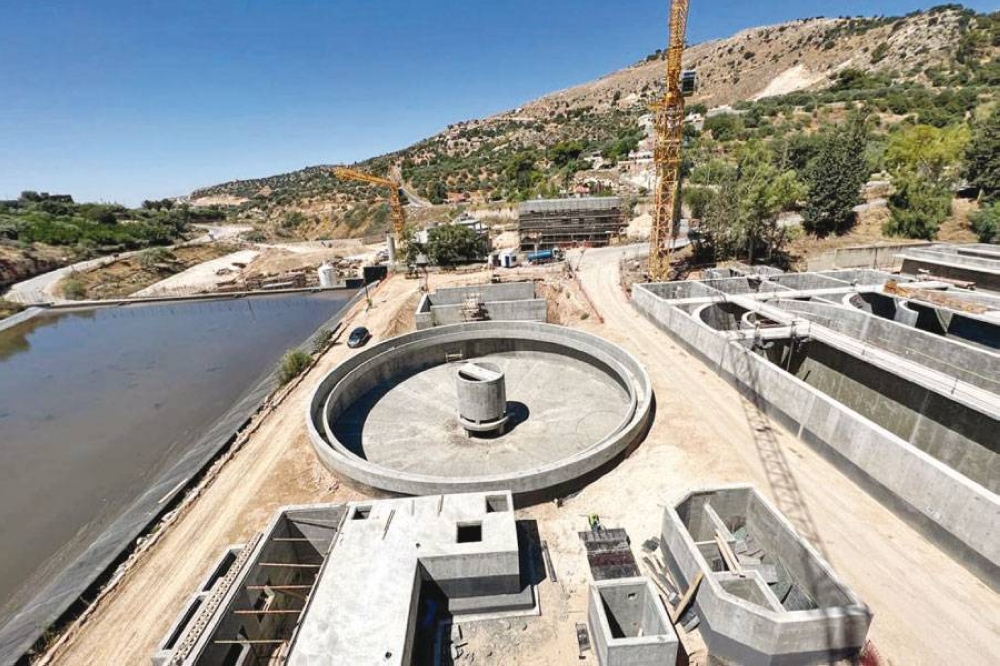
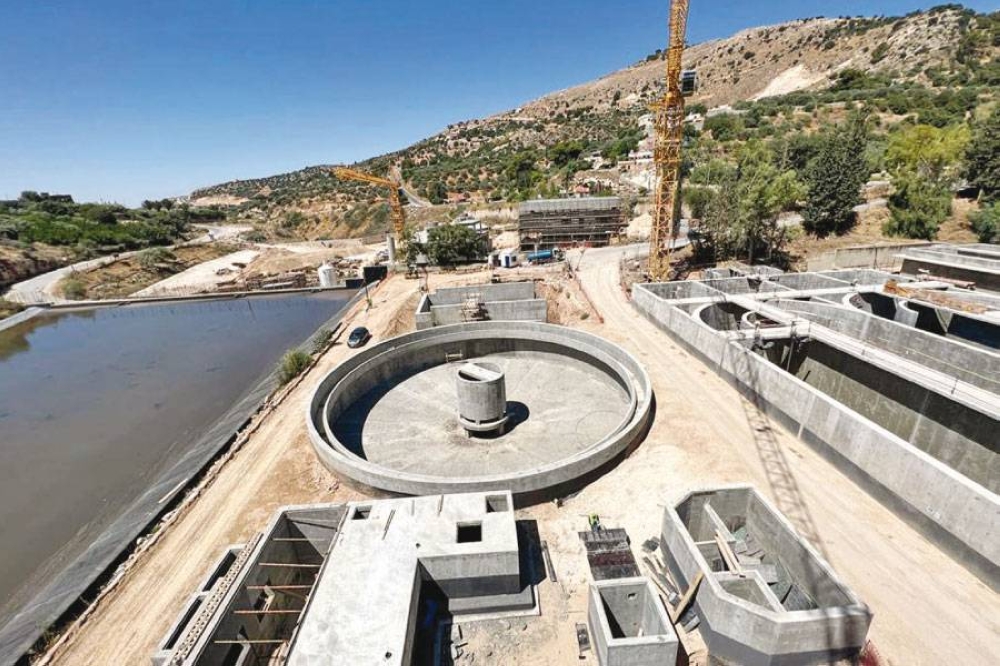
In the development of the Salt Wastewater Treatment Plant (WWTP), infrastructure durability is essential to withstand the corrosive nature of hydraulic systems. Synergy was contracted by Arab Towers Contracting Co. to manage the complete welding quality cycle. Our objective was to ensure that every structural and piping element was fabricated to the highest engineering standards, preventing future leaks or mechanical failures in this vital public utility.
The Technical Execution: Total Quality Control
We implemented a comprehensive "Process-to-Result" framework to ensure the integrity of the project from the very first weld:
* WPS & WQT (Procedure & Performance Qualification): Before construction began, we established and verified Welding Procedure Specifications (WPS) tailored to the specific materials used in the plant. We then conducted Welder Qualification Tests (WQT) to certify that every technician on-site possessed the skill and precision required to meet project codes.
* Radiographic Testing (RT): For the high-pressure piping networks, we utilized RT to perform internal volumetric inspections. This ensured that the heart of the welds was free from hidden defects, such as lack of fusion or slag, which are critical in a high-flow treatment environment.
* Surface Validation (PT & VT): We performed Liquid Penetrant Testing (PT) to detect microscopic surface cracks, while Visual Testing (VT) was used for continuous monitoring of weld profiles and structural alignment. This multi-stage approach ensured that all components met the rigorous durability requirements of the Salt WWTP.
The Strategic Impact:
By managing the quality process from the qualification phase (WPS/WQT) through to final NDT validation (RT/PT/VT), Synergy provided Arab Towers Contracting Co. with absolute confidence in their mechanical installations. Our oversight ensured that Component 3 was delivered "leak-free" and fully compliant with environmental regulations. This comprehensive quality assurance reduces long-term maintenance costs and guarantees the facility’s ability to protect the region’s water resources for decades to come.